Contact Us
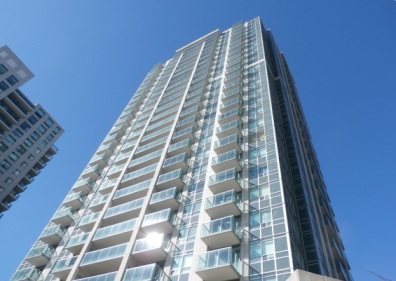

Woodstock, Ontario has 1,880 occupied condominium homes according to the 2021 Census. These units represent about ten percent of all private dwellings in the city, giving condominiums a modest but growing share of the local housing mix. Reserve Fund Study consultants will notice that almost half of the condominium stock predates 1990, proving the need for timely reserve-fund updates as buildings approach critical repair cycles. Early condominiums appeared in the late-1970s, and a cluster of 460 units are recorded in buildings erected before 1980, confirming that Woodstock’s Reserve Fund Study history spans nearly five decades.
The city’s condominium scene is overwhelmingly residential; neither Statistics Canada nor Oxford County publish separate counts for commercial or industrial condominium units in Woodstock, so Reserve Fund Study work here is still focused on homes. High-rise and tower data are likewise not released at the local level, but new construction trends show most projects topping out in the six-to-eleven-storey range along the Dundas Street intensification corridor. Recent listings reveal amenities such as indoor pools, hot-tubs, fitness centres, rooftop lounges, theatres, craft rooms and electric-vehicle charging—features that materially affect reserve-fund budgeting for common elements.
Geographically, established condominium neighbourhoods include Clarke Street South near Downtown, Admiral Street in the north end, and a large cluster of townhouse and bungalow condominiums along Pittock Park Road in North Woodstock. Industrial and commercial condominium blocks, where they exist, cluster south of Highway 401 around Pattullo Avenue and the Highway 59 interchange. For Reserve Fund Study professionals, this pattern means differing site conditions—from downtown podium slabs to north-end slab-on-grade townhouses—each demanding tailored capital-planning assumptions.
Looking forward, Oxford County’s 2024 growth forecast calls for 12,315 new dwellings between 2024 and 2034, with Woodstock traditionally absorbing roughly 56 percent of that growth. That equates to about 6,900 additional homes—many expected to be condominium apartments and stacked townhouses—potentially tripling the current condo inventory by the mid-2030s. As a result, Reserve Fund Study demand in Woodstock, Ontario is set to rise sharply, and new corporations will register under familiar prefixes such as OSCC (Oxford Standard Condominium Corporation) and OCECC (Oxford Common Elements Condominium Corporation), ensuring continuity in naming conventions for decades to come.
Vancouver | Burnaby | Richmond | New Westminister | Surrey | Coquitlam | Langleyn | Abbotsford | Maple Ridge | Victoria | Nanaimo