Contact Us
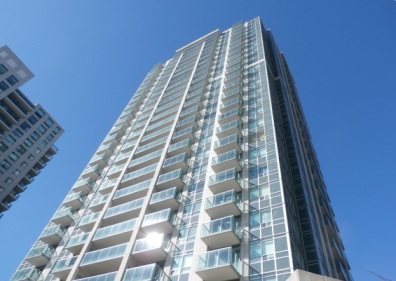

Simcoe County has emerged as one of Ontario’s most active condominium markets, with 16,735 occupied condominium homes recorded in the 2021 Census. These suites, townhouses and stacked-towns are overwhelmingly residential, forming 100 per cent of the County’s condominium universe, while commercial and industrial condominiums register only as isolated outliers. Reserve Fund Study specialists therefore work with a housing stock that ranges from 1970s town-home corporations such as Kidd’s Creek (Simcoe Condominium Corporation No. 1) through to the expansive Friday Harbour resort on Lake Simcoe, each demanding tailored long-term funding strategies to protect owners’ investments and meet the Condominium Act’s mandatory obligations.
Geographically, residential projects are clustered in four growth nodes: Barrie’s waterfront and downtown intensification corridors; the lakeside resort community of Innisfil and Alcona; the Collingwood–Wasaga Beach recreational hub on Georgian Bay; and the historic centres of Orillia and Midland. These locations concentrate most of the County’s condominium amenity spaces—indoor pools, fitness studios, guest suites, games rooms and pet-wash stations in urban mid-rise towers such as Nautica, and marina slips, outdoor spas, golf simulators and rooftop lounges at Friday Harbour’s Sunseeker and Highpoint phases. Understanding the life-cycle costs of pools, clay-brick façades and underground parking here is a cornerstone of every Reserve Fund Study.
Condominiums entered the Simcoe market in the late 1970s, gathering momentum alongside provincial growth-management policies and the 400-series highways. Market data collected for the County’s 2023 Housing Needs Assessment show that 269 condominium-apartment resales took place between January 2022 and May 2023—roughly 6 per cent of all 4,861 residential resales—confirming that condominiums remain a niche but growing share of the local ownership market. The same study projects that Simcoe County will need more than 100,000 additional homes by 2051 to house a population forecast to rise by 54 per cent, signalling a robust pipeline of mid-rise and high-rise condominium proposals where prudent Reserve Fund Study planning can add real value for future owners.
Looking forward, municipal growth-centre zoning, GO-train expansion and resort-oriented development point to a steady increase in condominium starts over the next decade, particularly around Barrie’s Allandale Station, Innisfil’s orbit lands and Collingwood’s waterfront. Reserve Fund Study practitioners working in Simcoe County will therefore encounter ever-larger common-element budgets, more sophisticated building systems and a wider range of amenities than ever before. Key local corporate prefixes to watch for in legal descriptions include SCC (Simcoe Condominium Corporation), SSCC (Simcoe Standard Condominium Corporation), SCECC (Simcoe Common Element Condominium Corporation) and SVLCC (Simcoe Vacant Land Condominium Corporation)—each carrying its own governance nuances that must be reflected in a Reserve Fund Study to keep the capital plan accurate and fully compliant.