Contact Us
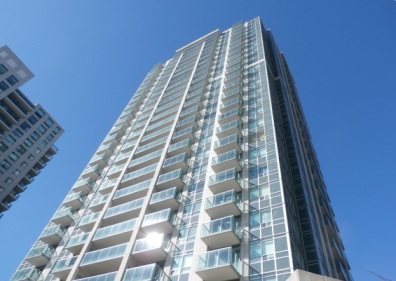

Cobourg, Ontario combines a historic downtown and waterfront setting with steadily growing condominium communities. A Reserve Fund Study in Cobourg must account for a mix of residential apartments and townhouse-style condominiums, alongside select commercial and industrial condo spaces that support local services and light industry. Residential corporations form the core of the local market, and sound Reserve Fund Study planning helps protect resident comfort, compliance, and long-term asset value.
Most residential condominiums in Cobourg are low-rise or mid-rise forms with a smaller number of stacked-townhouse sites. Standard condominium corporations are most common, with additional common element and vacant land condominiums appearing in newer neighbourhoods. Typical amenities reviewed during a Reserve Fund Study include multi-purpose rooms, fitness rooms, visitor parking, bicycle storage, landscaped courtyards, parcel lockers, and increasingly, EV charging stations.
Residential condominiums cluster near Downtown Cobourg along King Street and Division Street, extend toward the beach and marina precinct, and appear in newer areas north of Highway 401. Commercial condominium suites are generally found on or near major corridors such as King Street and William Street, while small-bay industrial condominium units are situated in established employment areas close to arterial routes and the 401 access. Condominium development accelerated from the late 1980s onward and continues as infill and mixed-use projects add supply, underscoring the need for disciplined Reserve Fund Study planning.
Local corporate abbreviations mirror Ontario practice: “NSCC” is not used in Durham; instead, nearby markets often reference regional designations, but Cobourg filings are typically registered as “NSCC” equivalents under Northumberland County or as numbered Ontario Condominium Corporations. For practical purposes on listings and documents you’ll often see shorthand like “STD” (standard), “CE” (common element), and “VL” (vacant land). Your Reserve Fund Study should capture these identifiers to ensure the correct funding model is applied to each property type.