Contact Us
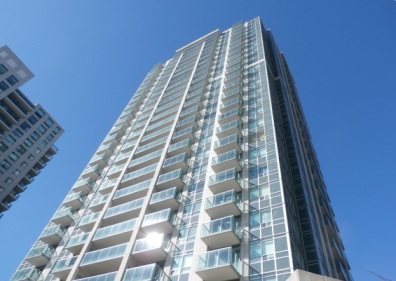

Peterborough, Ontario has a maturing condominium landscape that now includes 92 registered condominium corporations encompassing 2,301 individual units. Although condominiums account for only 4.4 per cent of all occupied dwellings, their presence is increasingly important for every Reserve Fund Study in Peterborough. From downtown conversions like Y Lofts to lakeside estate condominiums in Trent Lakes, local boards rely on an accurate Reserve Fund Study to plan capital repairs, keep common fees stable, and preserve building value.
Most condominiums here serve a residential purpose, ranging from low-rise townhouse enclaves in the West End to proposed ten-plus-storey towers in East City. Common amenities noted in recent developments include fitness centres, rooftop terraces with BBQs, parcel-delivery lockers, party rooms, dog-wash stations, bicycle storage, business lounges, electric-vehicle chargers, and secure visitor parking. These shared facilities drive reserve spending priorities, making a comprehensive Reserve Fund Study for Peterborough projects indispensable to long-term sustainability.
Condominium growth began in about 1980, when the city registered its earliest multi-unit plans, and has accelerated in the past decade. Geography matters: clusters of residential condominiums follow the Otonabee River downtown, line Hunter and George Streets, and extend north along Armour Road and Hilliard Street; commercial or mixed-use projects appear near Lansdowne Street East; vacant-land and common-element estates are emerging on rural waterfront tracts in Otonabee-South Monaghan and Trent Lakes. With the City’s housing pledge targeting 4,700 new homes by 2031, municipal planners anticipate several mid- to high-rise condominiums plus more vacant-land estates, underscoring the need for each new corporation to commission an early Reserve Fund Study in Peterborough.
Looking ahead to 2035, the condominium trajectory points to taller mixed-use buildings around the future Peterborough GO-train terminus and continued infill along key corridors. Market share is still modest compared with freehold housing, yet the condominium share is expected to edge upward as greenfield land tightens and provincial density goals reshape the urban fabric. Abbreviations used in local registrations—PSCC, PCECC, PVLCP and PCC—signal Standard, Common-Elements, Vacant-Land, and legacy Peterborough Condominium Corporations respectively, and each will require diligent Reserve Fund Study updates as the portfolio ages.