Contact Us
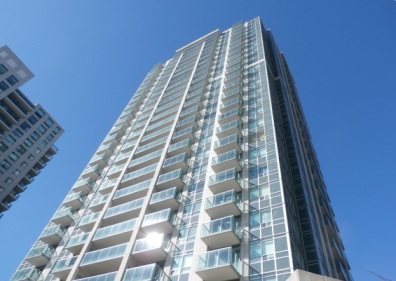

Newcastle, Ontario features a growing mix of condominiums that serve residents and local businesses alike. A Reserve Fund Study in Newcastle should account for residential low-rise and mid-rise buildings, townhouse-style corporations, and a smaller inventory of commercial and industrial condominium units supporting service, logistics, and trades. Ensuring a robust funding plan protects building performance, reduces risk, and sustains long-term value for owners and boards.
Most residential condominiums in Newcastle appear as low-rise or stacked-town formats with select mid-rise buildings emerging near key corridors. Standard condominium corporations are most common, while common element and vacant land corporations are also present. Amenities frequently reviewed during a Reserve Fund Study include fitness rooms, multipurpose lounges, landscaped courtyards, bicycle storage, parcel lockers and EV charging stations—reflecting convenience and sustainability priorities.
Residential condominiums cluster close to King Avenue and near transit connections, with newer subdivisions to the north and west. Commercial condominium suites are typically found along King Avenue and regional routes, while small industrial condo bays are positioned near Highway 401 access. Condominium development gathered momentum in the late 1980s and early 1990s and expanded in the 2000s; additional mixed-use and infill projects are anticipated, requiring disciplined Reserve Fund Study planning for the decade ahead.
Throughout Newcastle, listings use standard Ontario condominium abbreviations. Expect to see “DSCC” or the earlier “DCC” for Durham Standard Condominium Corporation numbers, “DCECC” for common-element files, and “DVLCC” for vacant-land plans, along with shorthand like “CE”, “STD”, and “VL”. Referencing these identifiers in a Reserve Fund Study helps differentiate corporation types and align contributions and components to their governing documents.