Contact Us
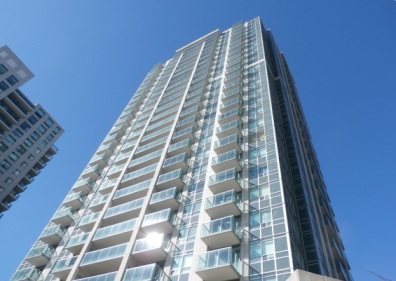

Ottawa’s condominium landscape has matured into a vital part of the city’s housing mix, an evolution that any Reserve Fund Study must acknowledge. According to the 2021 Census, the City of Ottawa contains 65,705 occupied condominium dwellings, supported by more than 1,100 active condominium corporations registered under prefixes such as CCC, OCCC and OCSCC. These numbers underscore the scale of Ottawa’s condo sector and the importance of keeping every Reserve Fund Study current and thorough for long-term asset management.
Virtually all of Ottawa’s documented condominium stock is residential; publicly released datasets do not break out commercial or industrial unit counts. Condominium construction began in earnest in the early 1970s, giving the city five decades to refine governance, maintenance and Reserve Fund Study practices. Today, new residential towers cluster around the downtown core, Westboro North–Tunney’s Pasture, West Centretown/Fisher Park, Iris–Queensway Terrace and historic Lowertown, mirroring transit expansion and intensification goals in the Official Plan.
Ottawa condos are known for robust amenity packages that influence Reserve Fund Study schedules. Typical facilities include indoor or rooftop pools, fitness centres, yoga studios, guest suites, party lounges, saunas, 24-hour concierge service, bicycle storage and underground parking. Industrial or flex-use condominium complexes, while fewer in number, are emerging in Canotek Business Park, along Lancaster Road and on Bank Street in South Keys, showing that Ottawa applies the condo form well beyond pure housing.
Looking ahead, the new Official Plan targets at least 60 percent of all new dwellings to come from intensification by 2046, a policy that positions condominiums as the preferred form for denser urban living and a focal point for future Reserve Fund Study work. Condos already account for roughly 16 percent of the city’s occupied dwellings, and that share is projected to rise steadily over the next decade as transit-oriented hubs build out. With population growth, sustained demand near federal employment centres and expanding industrial-condo niches, Ottawa’s condominium market is expected to remain resilient through 2035, reinforcing the need for diligent, data-driven Reserve Fund Study updates city-wide.