Contact Us
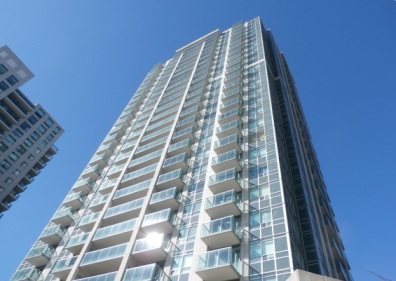

Richmond Hill, Ontario has emerged as one of York Region’s most condominium-intensive communities. According to the 2021 Census, 14 785 of the city’s 43 545 occupied private dwellings are condominium units, a share of 34 % that keeps growing as new projects move from site-plan approval to registration. Because every condominium must maintain a long-term capital plan, the demand for a thoroughly prepared Reserve Fund Study is embedded in virtually all new multifamily developments rising along the Yonge Street corridor, in the Richmond Hill Centre major transit-station area, and in intensification nodes such as Langstaff and Bayview Hill.
Residential condominiums dominate the landscape: recent city development files list just 17 non-residential condominium units (eight commercial suites at 8888 Yonge Street and nine industrial units at 135 East Beaver Creek Road) against the tens of thousands of homes contained in towers, stacked towns and common-element townhouse blocks. That equates to 99.9 % residential, 0.05 % commercial and 0.06 % industrial use, underscoring how central the Reserve Fund Study is to homeowner equity and building longevity in Richmond Hill.
The city’s first registered condominium dates back to 1983, when York Region Condominium Corporation (YRCC) No. 601 was declared at 20 Baif Boulevard; since then, more than 1 400 York-Region-branded condominium corporations have been created, with Richmond Hill accounting for roughly 300 of them. Most new supply has come since 2005 as mid-rise and high-rise projects intensified lands near Highway 7 and the GO Transit line. Looking ahead to 2035, the current secondary-plan targets and the province’s Bill 109 approvals pipeline point to at least 5 000 additional condominium units, suggesting a 30 % expansion of the city’s condominium universe. For reserve-fund professionals, this wave translates into sustained demand for baseline and updated Reserve Fund Study work tied to elevators, podium decks, green roofs and EV-ready electrical infrastructure.
Condominium amenities in Richmond Hill have matured from simple party rooms to full wellness suites. New residential towers typically include indoor pools, co-working lounges, rooftop gardens, parcel lockers and level-2 EV charging, while low-rise common-element projects favour children’s play areas and community mail kiosks. These features add complexity—and cost—to every Reserve Fund Study, reinforcing why specialist engineering advice is critical for boards across Richmond Hill as they budget for the next 30 years of capital replacements.