Contact Us
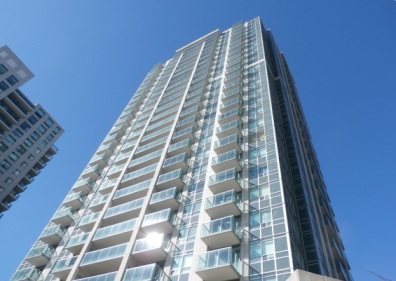

Oshawa’s condominium landscape has expanded steadily since the mid-1970s, when the first Durham Condominium Corporation (DCC) numbers were registered. According to the 2021 CMHC Housing Market Information Portal, 11,070 private households live in part-of-condominium dwellings in the City of Oshawa, representing about 7.4 per cent of the city’s entire housing stock. This base of owners is the primary audience for every Reserve Fund Study in Oshawa, and their long-term financial planning hinges on accurate data about common-element repairs and inflationary pressures.
Most recent registrations fall under the Durham Standard Condominium Corporation (DSCC) system, while a handful of townhouse-style or parking-only projects use the Durham Common Elements Condominium Corporation (DCECC) structure. All verified Oshawa condominium corporations serve a residential function; no purpose-built commercial or industrial condo corporations were listed in provincial or municipal registries, aside from a single industrial “hangarminium” complex (DSCC 235) at Oshawa Executive Airport. Consequently, residential condominiums account for 100 per cent of the known stock. Amenities highlighted in the City’s 2023 Development Insider report—such as rooftop lounges, fully-equipped gyms, business centres, conference rooms, pet-wash stations and landscaped terraces—show how Reserve Fund Study specialists must now budget for a wider range of capital assets than in earlier decades.
Most DSCC residential condominiums cluster in three sub-markets: Downtown Oshawa (projects such as the 21-storey tower at 80 Bond Street West), the Windfields area near Ontario Tech University (the multi-tower UC Towers community) and the waterfront-oriented Farewell neighbourhood along Harbour Road. Industrial-style units remain concentrated at the airport precinct, while new mixed-use buildings are beginning to anchor Central Oshawa’s future GO-station district. Understanding this geography is vital when preparing or updating a Reserve Fund Study in Oshawa because location drives construction type, operating costs and lifecycle expectations.
Looking ahead, the City of Oshawa has been assigned a provincial target of 23,000 new homes by 2031 and had more than 12,000 dwellings—many of them DSCC condominium apartments—sitting in approved development pipelines as of November 2024. This pipeline, alongside steady demand for mid-rise and high-rise living near transit, signals a strong ten-year trajectory for condominiums in Oshawa. Reserve Fund Study consultants should expect a surge of newly-registered DSCCs requiring first-cycle funding plans, while legacy DCC buildings from the 1970s and 1980s enter critical renewal phases, and niche DCECC projects continue to appear in master-planned communities.