Contact Us
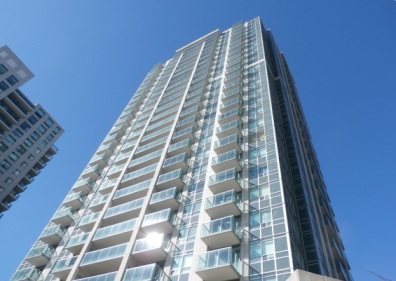

Burlington’s condominium landscape has expanded to roughly 175 active condominium corporations, representing about 12,000 individual units that now account for close to 17 percent of the city’s total housing stock. Approximately 150 of these corporations are residential, while another 18 are commercial-use strata spaces and around 7 are industrial flex-condos in Burlington’s business parks. A current Reserve Fund Study in Burlington should reflect that most residential corporations manage multi-building campuses averaging 70 units, ensuring that future capital projects are adequately financed for the long term.
When analysing building form, a Burlington Reserve Fund Study today would note 8 true tower projects above 20 storeys, 22 high-rises in the 12-to-20-storey range, 38 medium-rise developments between 6 and 11 storeys, and 82 low-rise or stacked-townhouse complexes of five storeys or fewer. About 120 corporations are registered as standard condominiums, a further 42 operate under common-element regimes for townhouse communities, and roughly 13 are vacant-land condominiums that build out in phases. These structural and legal distinctions drive very different reserve-fund cash-flows and should be front-and-centre in any Burlington Reserve Fund Study.
Residential amenities in Burlington condominiums are increasingly sophisticated. Downtown lakefront towers and the Uptown GO-station corridor offer fitness clubs, indoor pools, co-working lounges, EV-charging stalls and rooftop terraces, while mature low-rise sites from The Orchard, Alton Village and Tansley often focus on surface-level perks such as community gardens, playgrounds and upgraded parking courts. Commercial condos cluster along Fairview Street, Plains Road and Appleby Line, whereas most industrial condos are concentrated near Mainway, Harvester Road and North Service Road. Each setting imposes unique maintenance cycles that must be quantified in a Reserve Fund Study for Burlington properties.
Condominium development in Burlington began in the mid-1970s, accelerated through the 1980s lakefront boom and surged again after 2010 with mobility-hub intensification policies. Looking ahead, planners anticipate roughly 45 percent growth in condo inventory—adding about 5,400 new units and 30-plus corporations over the next decade—driven by mixed-use towers at Aldershot, Burlington GO and Appleby GO. Condominiums already command roughly 22 percent of annual real-estate transactions by volume, and their market share is poised to climb toward 30 percent by 2035, making a well-structured Reserve Fund Study in Burlington more critical than ever. Common local abbreviations you’ll encounter include HSCC, HCC, CECC, VLCC and POTL, each signalling a different corporation style that should be correctly identified during reserve-fund planning.