Contact Us
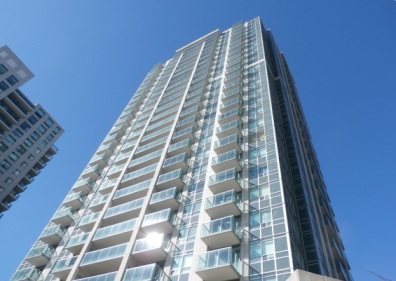

Whitby, Ontario now contains 3,635 occupied condominium dwellings, representing about 7.8 per cent of the city’s 46,460 occupied private dwellings according to the 2021 Census. Every one of these units is classified as residential, with no publicly reported commercial or industrial condominiums. The earliest condominium plans in Whitby date to the mid-1970s, marking the start of modern condo development alongside the town’s waterfront and historic downtown.
Residential condominiums in Whitby cluster along Victoria Street West near the Lake Ontario shoreline, the Brock Street downtown corridor and the Whitby GO and Brooklin GO transit nodes. From mid-rise towers to stacked-townhouse enclaves, these developments feature amenities such as indoor pools, fitness studios, party rooms, guest suites, secure underground parking and level-2 EV charging stations. Understanding this mix of building typologies and shared facilities is essential when scoping a Reserve Fund Study for local corporations.
Most Whitby condominiums register under Durham Standard Condominium Corporation (DSCC) prefixes, with smaller numbers filed as Durham Common Elements Condominium Corporations (DCECC) and Durham Vacant Land Condominium Corporations (DVLCC). These abbreviations appear on status certificates, plans and Reserve Fund Study reports, ensuring clear identification of each corporate structure and its common-asset obligations.
Looking ahead, municipal development filings and Durham Region’s housing strategy point to several new condominium proposals in downtown and waterfront precincts, as well as mixed-use towers at the Whitby GO station, which together could add hundreds of units by 2031. With the town’s condo inventory set to expand, Reserve Fund Study professionals will play a vital role in forecasting repair costs, budgeting contributions and maintaining compliance with Ontario’s Condominium Act.
Vancouver | Burnaby | Richmond | New Westminister | Surrey | Coquitlam | Langleyn | Abbotsford | Maple Ridge | Victoria | Nanaimo