Contact Us
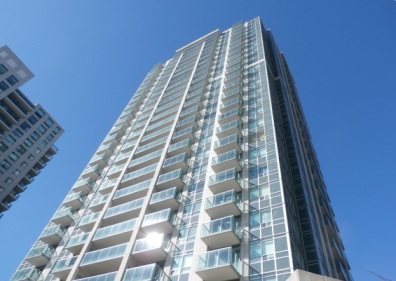

Niagara Falls has a confirmed inventory of 2 995 condominium units, representing just under 8 per cent of the city’s 37 790 occupied private dwellings. For owners, an up-to-date Reserve Fund Study is critical because the city’s condominium stock is growing more complex each year. A properly scoped Reserve Fund Study helps boards anticipate capital costs and keeps monthly fees competitive, an increasingly important selling point in a market where nearly one in twelve homes is now a condo.
All recorded condominiums in Niagara Falls are classified as residential; no verifiable commercial or industrial condominium data are currently published for this municipality. Because of that, residential use accounts for 100 per cent of the condominium universe. Most projects are apartment-style buildings of six to twelve storeys, with a smaller cohort of stacked-townhouse and bungalow-townhouse sites. Each of these developments must file a Reserve Fund Study within three years of registration and update it every three years thereafter, making the study an essential governance tool.
Residential condominiums are concentrated along major corridors such as Fallsview Boulevard, Green Vista Gate/Thundering Waters, Montrose Road, Dorchester Road, Lundy’s Lane, Drummond Road and Portage Road. Recent buildings showcase amenities that include indoor pools, fitness and yoga studios, theatre or media rooms, concierge service, guest suites, saunas and landscaped BBQ terraces. These shared facilities add to operating costs; a robust Reserve Fund Study ensures adequate long-term funding for pools, elevators and building-envelope components.
Municipal records indicate that the first Niagara South Condominium Plan was registered in the early 1970s, shortly after Ontario adopted its 1967 Condominium Act. Growth was modest through the 1980s and 1990s, then accelerated after 2015 with projects like Upper Vista overlooking Thundering Waters. City housing reports show 8 757 additional condo units already approved but not yet built. If even two-thirds of these reach occupancy, Niagara Falls could exceed 11 000 condominium homes by 2035, firmly entrenching the form as a mainstream choice and underscoring the importance of a timely Reserve Fund Study for every corporation. The official abbreviation used in the city for new corporations is “NSCC” (Niagara South Condominium Corporation).