Contact Us
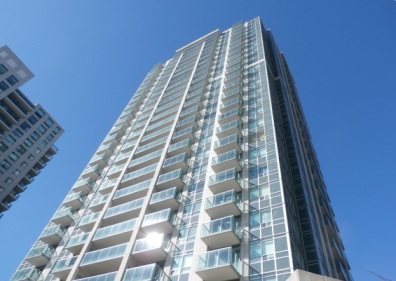

Bowmanville, Ontario has steadily grown into a diverse community with a variety of condominium developments ranging from residential low-rise buildings to commercial loft-style spaces and industrial condominium bays. A Reserve Fund Study in Bowmanville must reflect this diversity, ensuring proper long-term maintenance planning and financial stability for each corporation. Residential condominiums represent the largest share of the market, complemented by strategically located commercial and industrial units that serve the needs of local businesses and industries.
In Bowmanville, most residential condominiums are low-rise or mid-rise buildings, along with townhouse-style developments. Standard condominium corporations make up the majority, while common element condominiums and vacant land condominiums also have a presence in the market. Amenities in Bowmanville condominiums, often reviewed in a Reserve Fund Study, may include fitness rooms, landscaped courtyards, meeting rooms, bicycle storage, parcel lockers, and EV charging stations, reflecting the community's growing focus on sustainable and convenient living.
Residential condominiums in Bowmanville are often located near King Street, along major transit corridors, and within newer subdivisions in the west and north ends of the community. Commercial condominium lofts tend to line King Street and Baseline Road, whereas small industrial condominium blocks cluster closer to Bennett Road and Highway 401. Condominium development in Bowmanville began to take shape in the late 1980s and early 1990s, expanded through the 2000s, and is expected to continue with mixed-use and residential projects over the next decade, each requiring disciplined Reserve Fund Study planning.
Local listings typically use abbreviations rather than full corporate names. You will see designations such as “DSCC” or the earlier “DCC” for Durham Standard Condominium Corporation numbers, “DCECC” for common-element files and “DVLCC” for vacant-land plans, along with shorthand tags like “CE”, “STD” and “VL” in marketing material. A Reserve Fund Study in Bowmanville should reference these identifiers to distinguish each asset class clearly and to benchmark contribution schedules appropriately against detached, freehold townhouse and commercial-industrial property sectors.