Contact Us
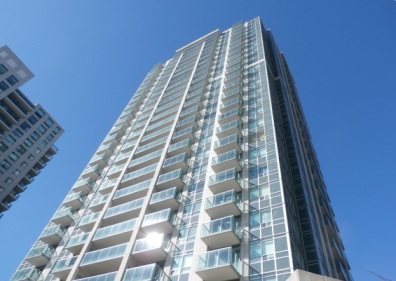

Durham Region has a steadily expanding condominium footprint, with 15 new plans submitted in 2023 alone, bringing the active and newly registered inventory to 76 separate condominium plans. Of those new submissions, 1,101 units were proposed as condominiums, representing approximately 14 percent of all residential units received by the Region that year. The first high-rise condominium in the area dates back to 1976 at 66 Falby Court in Ajax, marking nearly five decades of strata-style housing that now forms an integral part of every Reserve Fund Study undertaken across Durham Region.
Residential use dominates the local condominium sector. Thirteen of the 15 applications submitted in 2023 were for residential use, while two plans were exclusively industrial, with none designated for commercial purposes. Structurally, the 2023 filings were divided between Standard Condominium Corporations, accounting for 40 percent, and Common Elements Condominium Corporations, representing 47 percent. No Vacant Land Condominium Corporation projects were lodged. Common abbreviations found in Reserve Fund Study documentation include DCC (Durham Condominium Corporation), DSCC (Durham Standard Condominium Corporation), and DCECC (Durham Common Elements Condominium Corporation).
Location patterns indicate that over 70 percent of the newest residential condominium units are located in the City of Oshawa, with substantial additional activity in Pickering and Whitby. Industrial condominiums remain limited but are emerging near employment areas in Whitby and Pickering, offering flexible ownership opportunities for small and mid-sized enterprises. Typical amenities noted in Durham Region Reserve Fund Study reports include indoor swimming pools, fitness centres, saunas, party rooms, security systems, underground parking, and landscaped common areas—features first popularised by the 12-storey Sailwinds complex on Whitby’s waterfront and now common across both high-rise and townhouse developments.
Looking forward, the Region reports a ten-year supply pipeline of more than 96,000 potential dwelling units. Condominiums accounted for one-fifth of the residential units that reached registration in 2023, highlighting their growing market share relative to freehold properties. In light of this momentum, most Reserve Fund Study forecasts for Durham Region anticipate a sustained trend toward taller, amenity-focused residential strata developments along GO Transit corridors, while niche industrial condominiums comprise a modest 13 percent share of new plans. Continued growth, combined with evolving provincial reserve fund standards, underscores the importance of a comprehensive and future-focused Reserve Fund Study for every condominium in Durham Region.