Contact Us
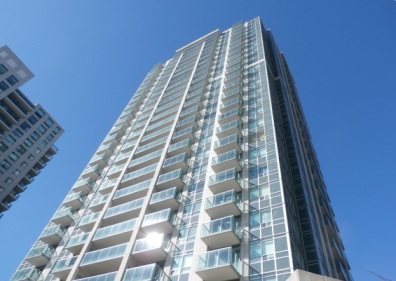

The condominium landscape in the Greater Toronto Area has grown to an estimated 700,000 units housed in roughly 9,800 condominium corporations, with about 630,000 units classified as residential, 49,000 as commercial and 21,000 as industrial. High-rise towers dominate the skyline, accounting for close to 58 per cent of the stock, while medium-rise buildings contribute 28 per cent and low-rise or townhouse-style developments round out the balance. Standard condominiums make up approximately 94 per cent of corporations in the Greater Toronto Area, with the remainder split between common-element and vacant-land forms. These numbers underscore why every Board should prioritise a comprehensive Reserve Fund Study to keep pace with the unique lifecycle costs of such a diverse inventory.
Amenity offerings in Greater Toronto Area residential projects have evolved well beyond the traditional pool and party room. Fitness studios with wellness programming, co-working lounges, parcel lockers, pet-wash stations and rooftop gardens are now commonplace, adding both value and complexity to Reserve Fund Study planning. Commercial and industrial condominiums, by contrast, tend to focus on freight access, expanded electrical capacity and shared loading facilities. Understanding how each amenity translates into long-term capital expenditures is critical when undertaking a Reserve Fund Study, particularly as buildings age past their first depreciation cycle.
Geographically, residential towers cluster in Downtown Toronto, the Waterfront, Yonge–Eglinton, North York Centre, Scarborough Town Centre, Mississauga City Centre and along new rapid-transit corridors such as Vaughan Metropolitan Centre and Markham’s Highway 7. Commercial condominiums concentrate in the financial core, Liberty Village, Richmond Hill and Markham’s tech hubs, while industrial condos are more prevalent in Brampton, Mississauga and Pickering where highway access is paramount. Condominium development in the Greater Toronto Area dates back to the early-1960s pilot projects, accelerated in the late-1970s and entered a record-setting boom after 2000; projections suggest roughly 250,000 additional units will be completed by 2035. Each new wave reinforces the importance of commissioning a forward-looking Reserve Fund Study that spans at least the next 30 years.
Condominiums now represent roughly 31 per cent of the region’s total residential real-estate market and are on track to exceed 37 per cent within a decade as land constraints push more density skyward. Typical corporate abbreviations you will encounter include TSCC, MTCC, PSCC, YRCC, DSCC and HSCC, each signalling jurisdictional nuances that a Reserve Fund Study must respect. Whether your building is a towering glass icon or a boutique townhouse enclave, an up-to-date Reserve Fund Study remains the single most effective tool for protecting property value and ensuring that the Greater Toronto Area’s condominium community thrives well into the future.