Contact Us
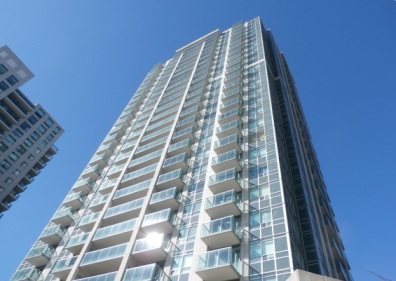

Vaughan continues to see steady growth in its condominium sector. The 2021 Census reports 18,835 occupied private dwellings classed as condominiums, equal to about 18.1 per cent of all 103,915 occupied homes in Vaughan. Every one of these units is recorded as a residential dwelling, underscoring how condominiums have become a major housing choice for families, first-time buyers and downsizers alike. For professionals preparing a Reserve Fund Study in Vaughan, this sizable residential inventory highlights the importance of long-range financial planning tailored to the city’s unique market.
Condominiums are concentrated in clearly defined hubs. High-rise towers dominate the Vaughan Metropolitan Centre and Highway 7 corridor in Concord, while mid-rise and low-rise developments appear around Bathurst & Clark in Thornhill and along Keele Street in Maple. Industrial condominium complexes cluster in Concord’s business parks near Bowes Road and Keele Street, and commercial office-condo projects line Jane Street and Steeles Avenue; however, detailed unit counts for those non-residential segments have not yet been released. Understanding these geographic patterns helps Reserve Fund Study professionals identify comparable buildings and regional cost drivers.
Amenity packages have grown more sophisticated across Vaughan’s residential towers. Recent buildings advertise 24-hour concierge service, fitness centres and yoga studios, indoor or rooftop pools, spa and sauna zones, co-working lounges, games and media rooms, children’s play areas, outdoor BBQ terraces and parcel-management lockers. Because such shared facilities account for a large share of future repair and replacement costs, they deserve careful attention in every Reserve Fund Study prepared for Vaughan condominium corporations.
Condominium construction in Vaughan began in earnest during the mid-1980s, with early projects such as YRCC 570 registered in 1986. Growth accelerated after 2010, and municipal forecasts for the Vaughan Metropolitan Centre alone call for 12,000 additional residential units by 2031, bringing the local condo tally well past 30,000 within the next decade. Given this trajectory, the market share of condominiums should keep rising, reinforcing the need for diligent Reserve Fund Study updates that reflect evolving inflation rates, amenity lifecycles and legislative requirements across Vaughan.