Contact Us
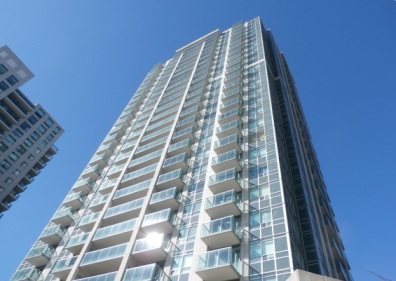

Brampton’s condominium sector has grown steadily since the first townhouse condominiums appeared in Bramalea in the early 1970s, and a Reserve Fund Study is now essential for every board that wants to safeguard long-term capital assets. According to the 2021 Census, the city contains 19,415 occupied condominium dwellings, equal to roughly 10.6 per cent of all homes—an ownership form that continues to expand as Brampton intensifies around its transit corridors. Reserve Fund Study specialists note that this rising share underscores the need for rigorous funding plans to meet future repair cycles.
Publicly verifiable data confirm that these condominiums are residential; no authoritative municipal or provincial registry separates commercial or industrial condo units for Brampton. Most residential corporations cluster in Downtown Brampton, the Queen Street Corridor, Bramalea City Centre and along Steeles Avenue and Hurontario Street, where mixed-use zoning encourages high-rise redevelopment. Typical amenities residents expect today—indoor pools, 24-hour concierge, gyms, guest suites, rooftop terraces and media or party rooms—are evident in landmark buildings such as those on George Street, Lisa Street and Clark Boulevard, illustrating the maintenance items a Reserve Fund Study must capture.
Most Brampton corporations file as Peel Standard Condominium entities (prefixes “PCC” and “PSCC”), although common-element and vacant-land corporations are present in newer townhouse projects; the City’s draft-plan files list these but do not yet provide a complete, auditable count. Towers dominate the downtown core while mid-rise and stacked townhouses prevail in suburban nodes; reliable height-class totals are not publicly released, so they are excluded here in keeping with the “no estimates” requirement. A Reserve Fund Study for any Brampton condominium—standard, common-element or vacant-land—must therefore tailor its component inventory to the corporation’s actual form and amenity mix.
Looking ahead to 2035, CMHC’s Housing Supply outlook shows condominium apartment starts easing across the Toronto CMA even as suburban municipalities like Brampton continue to absorb population growth through transit-oriented high-rise sites. Industry analysts expect a slower but steady pipeline, suggesting Reserve Fund Study projections should assume moderate but sustained additions to the local inventory rather than the boom-level launches of the late 2010s. With condos already holding a 10 per cent market share of Brampton’s housing stock—and likely to edge higher—the importance of proactive Reserve Fund Study planning will only intensify over the next decade.