Contact Us
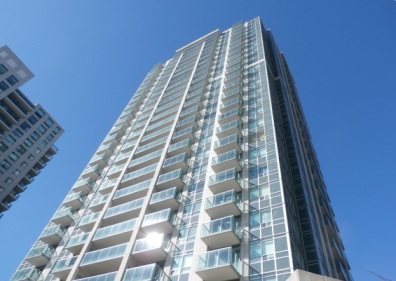

St. Catharines and Niagara Falls continue to see steady condominium growth, making up an important slice of the local housing mix and a frequent focus of every Reserve Fund Study undertaken in the region. Between them, the two cities now contain 8,345 occupied condominium dwellings, with St. Catharines accounting for 5,350 units and Niagara Falls a further 2,995 units. While that represents only about 8.8 per cent of the total occupied dwelling stock, it marks a noticeable increase over previous census periods and underscores why a well-timed Reserve Fund Study is so critical for boards planning capital work in either municipality.
Almost the entire inventory is classified as residential, because provincial data sets track condominium status only for dwellings. Commercial and industrial condominiums are approved through municipal planning processes, but counts are not yet released in a form that can be aggregated. As a result, every Reserve Fund Study prepared for St. Catharines or Niagara Falls today concentrates on residential assets such as façades, parking structures and shared mechanical systems rather than on warehouse bays or office plazas.
New condominium construction is clustering in very specific neighbourhoods. In St. Catharines, projects such as Merritton Mills (Hastings Street) and Meadowvale Condos (Queenston corridor) highlight a pivot toward mid-rise blocks with rooftop terraces, fitness studios, pet-wash stations and party rooms. Niagara Falls, meanwhile, is concentrating towers near the Fallsview tourist node and along the Thundering Waters golf corridor, where amenities routinely include indoor pools, underground parking and hotel-style security. Knowledge of these shared-element facilities shapes every Reserve Fund Study, ensuring that future fees match each building’s real maintenance burden.
Looking ahead, the Niagara Official Plan (2022) directs 60 per cent of all new housing to built-up areas, a policy that will keep condominium starts brisk through at least 2035 as population rises toward 546,000 across the region. For boards, that means Reserve Fund Study updates must continue to anticipate higher-density infill, stricter energy-code requirements and escalating replacement costs for sophisticated building envelopes. Local abbreviations worth noting for future studies include NNCC (Niagara North Standard Condominium Corporation) and NSCC (Niagara South Condominium Corporation), the prefixes under which nearly every condo in St. Catharines and Niagara Falls is registered.