Contact Us
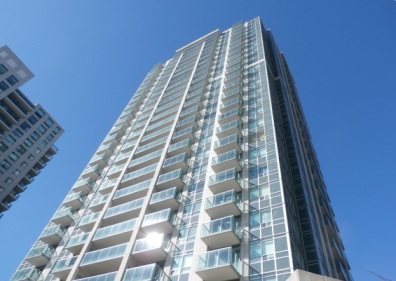

Hamilton recorded 24,715 condominium dwellings in the 2021 Census, representing about 11 % of the city’s 222,805 occupied private dwellings. Every one of those condominium homes is classified in the census as residential, with no publicly reported commercial or industrial condominiums. The earliest registered condominium plans in the former County of Wentworth date from the early 1970s, marking the start of modern condo development in Hamilton; since then, demand for Reserve Fund Study services has grown steadily alongside the expanding stock of towers, mid-rises and townhouse-style sites.
Residential condominiums in Hamilton carry registration prefixes such as WCC (Wentworth Condominium Corporation), WSCC (Wentworth Standard Condominium Corporation) and WCEC (Wentworth Common Elements Condominium Corporation). These abbreviations appear on status certificates, plans and Reserve Fund Study reports city-wide. Because the latest public datasets list only residential use, the share of commercial or industrial condominiums cannot be quantified at this time.
Looking ahead, the City’s housing pledge aims for 47,000 new dwelling units between 2021 and 2031, and recent building-permit data show more than 4,000 starts in 2023 alone. Given Hamilton’s intensification policies, a meaningful share of these new units is expected to be condominium apartments or stacked towns, reinforcing the need for proactive Reserve Fund Study planning over the next decade. Market analysts expect condominium ownership to keep pace with projected population growth, maintaining roughly a tenth of the overall housing mix.
For owners, boards and managers, staying ahead of repair costs through a professionally prepared Reserve Fund Study is essential. Whether your building is an historic WCC high-rise downtown or a newer WSCC townhouse enclave on the Mountain, a current Reserve Fund Study ensures compliance with Ontario’s Condominium Act, supports transparent budgeting, and preserves property value in Hamilton’s competitive real-estate landscape.