Contact Us
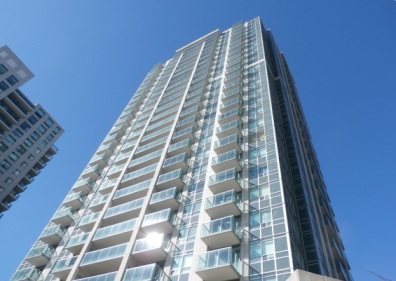

Peel Region has emerged as one of Ontario’s most active condominium hubs, now home to 89,290 condominium dwellings—about 20 per cent of the region’s 450,745 occupied private dwellings recorded in the 2021 Census. Reserve Fund Study professionals working here frequently encounter corporations registered under prefixes such as PCC (Peel Condominium Corporation) or PSCC (Peel Standard Condominium Corporation), shorthand that dominates legal descriptions across the region and reflects a nearly 100 per cent residential share.
From a Reserve Fund Study perspective, Peel Region condominiums—especially the large PCC and PSCC towers around Square One and along the Hurontario LRT corridor—share a familiar amenity profile. Typical buildings feature 24-hour concierge service, indoor pools, fully equipped fitness centres, party lounges, rooftop BBQ terraces, guest suites and secure visitor parking. These common-element assets drive significant annual contributions and make detailed cash-flow forecasting a critical component of every Peel Region Reserve Fund Study.
Condominium development in Peel Region began in the mid-1970s, with early PCC registrations such as Peel Condominium Plan No. 122 (1977) marking the sector’s outset. Growth accelerated sharply after 2000, and municipal projections indicate that new apartments—predominantly PSCC registrations—will absorb more than 60 per cent of household growth between 2031 and 2041. Understanding this timeline helps Reserve Fund Study consultants benchmark component lifecycles and anticipate capital repair peaks across successive condo vintages.
Looking ahead, Peel Region’s official intensification strategy channels most new housing into condo-rich nodes and transit corridors, ensuring that PCC and PSCC corporations will continue to represent—and likely exceed—a fifth of the residential market over the next decade. Robust, inflation-sensitive Reserve Fund Study planning will therefore remain pivotal to maintaining building performance, protecting owner equity and meeting the region’s evolving housing needs.