Contact Us
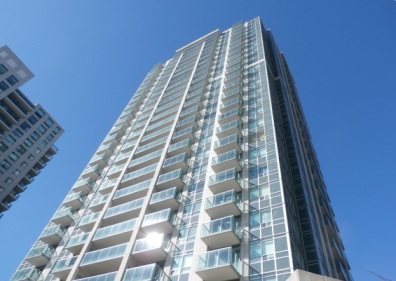

Kitchener’s condominium landscape now includes 14,280 occupied residential condo dwellings, representing about 14.3 per cent of the city’s 99,815 private dwellings. That critical mass means a Reserve Fund Study for any Kitchener condo must benchmark against a sizeable peer group and a rapidly expanding inventory of towers downtown as well as stacked-townhouse projects on former industrial lots. Reserve Fund Study professionals therefore have plenty of comparable data when projecting long-term repair and replacement costs for Kitchener corporations.
All verifiable condominium stock in Kitchener is classified as residential; no public registry or open-data source publishes confirmed counts for commercial or industrial condominium corporations at the municipal level. Within the residential universe, the standard Waterloo Standard Condominium Corporation (WSCC) format is dominant, with smaller numbers registered as Waterloo Common Elements Condominium Corporations (WCECC) and Waterloo Vacant Land Condominium Corporations (WVLC). Those prefixes matter when scoping a Reserve Fund Study because each structure carries different common-asset obligations.
The first Kitchener condominium (Avenue Terrace on Margaret Avenue) was registered in the early 1970s, giving the city more than five decades of condo development history to analyse in a Reserve Fund Study. High-rise and mixed-use towers now cluster in the Downtown Kitchener (DTK) and Midtown districts, while townhouse-style common-element condos spread through suburban neighbourhoods; small industrial condos are concentrated in Huron Business Park along McBrine Place and similar corridors. Those geographic patterns help engineers estimate environmental exposure, traffic loads and service-life factors for each Reserve Fund Study.
Looking ahead, CMHC forecasts show condominium apartment starts slowing nationally and in Ontario through 2027 before stabilising, suggesting a more moderate but steady pipeline of new projects across the Kitchener-Cambridge-Waterloo market in the next ten years. That trajectory means existing corporations will shoulder a larger share of the region’s condo housing supply—making proactive, well-funded Reserve Fund Studies in Kitchener even more vital for protecting owners’ investments and sustaining the city’s housing mix.