Contact Us
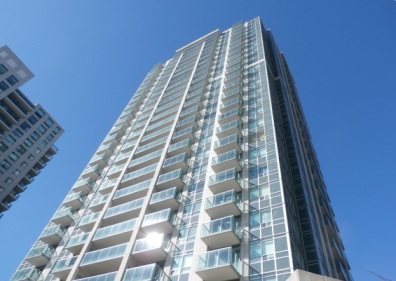

Toronto has become synonymous with vertical living, and any Reserve Fund Study prepared for a Toronto condominium must begin by considering the scale of this sector. According to the 2021 Census, the city contained 353,215 condominium homes, accounting for just over 30 percent of all private dwellings. Since 2002, more than 2,700 condominium corporations—typically registered as TSCC, TCECC, MTCC, or YCC,have been established, adding 186,094 residential suites and an additional 2,304 non-residential units. Professionals conducting Reserve Fund Studies in Toronto are therefore responsible for the densest concentration of condominium assets in the country, most of which are post-2000 developments that rely heavily on elevators, mechanical penthouses, and podium-level shared facilities.
High-rise construction dominates both Toronto’s skyline and its Reserve Fund Study workload. Of the residential units registered since 2002, 152,416 suites, or 82 percent, are located in towers of at least 12 storeys, while 21,746 units, or 12 percent, occupy medium-rise buildings ranging from five to eleven floors. The remaining 11,932 homes are located in low-rise or townhouse-style condominiums. The 2,304 non-residential condominium units primarily serve retail and small office functions, although 1,320 suites located in General and Core Employment Areas operate as industrial condominiums. Most residential complexes—again designated as TSCC, TCECC, MTCC, or YCC—are situated Downtown, along the Central Waterfront, within key Centres such as Yonge-Eglinton and North York Centre, and on the Avenues targeted for mid-rise development.
Amenity expectations significantly influence long-term funding requirements in any Reserve Fund Study. Toronto condominium buyers now typically expect access to fitness studios, indoor swimming pools, yoga rooms, co-working lounges, media or theatre rooms, rooftop terraces equipped with barbecues, parcel-management rooms, and 24-hour concierge services. These lifestyle features are especially prevalent south of Bloor Street and within master-planned communities such as the Waterfront, Liberty Village, and Midtown. In contrast, industrial and commercial condominium sites—identified by YCC or MTCC designations—are concentrated in the Employment Areas of Etobicoke, North York, and Scarborough. Given that shared amenities contribute to average maintenance fees of approximately $0.65 per square foot, accurate life-cycle costing is essential.
Toronto’s first condominiums emerged in the late 1960s following the enactment of the Condominium Act, 1967, with development activity accelerating significantly after 2001. Looking ahead, industry analysts project approximately 31,400 residential completions in 2025, followed by a decline to around 17,500 in 2026 due to elevated borrowing costs constraining new starts. Over the next decade, condominiums—still registered under TSCC, TCECC, MTCC, or YCC—are expected to surpass all other housing forms in terms of absolute growth, even as purpose-built rental housing begins to recover market share. For Reserve Fund Study planners, this trend indicates an expanding portfolio that will require rigorous funding assessments, particularly as buildings completed between 2010 and 2015 approach critical envelope and mechanical system renewal cycles.