Contact Us
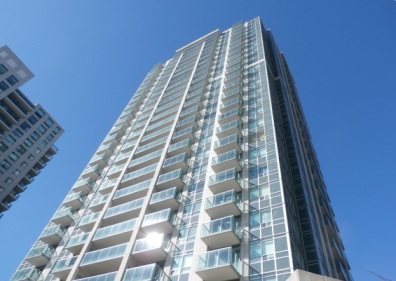

Cambridge has grown into a distinct condominium market over the past three decades. The 2021 Census records 4,895 occupied condominium dwellings out of 51,270 total private dwellings, or roughly 9.5 per cent of the city’s housing stock. While the figure is modest beside neighbouring Kitchener, the steady rise from 3,935 units in 2016 shows that Cambridge residents are embracing multi-unit ownership. Any Reserve Fund Study in Cambridge must therefore recognise that the local condo sector is no longer niche; it represents a meaningful slice of residential real estate and is expected to keep expanding.
The available data describe only residential condominiums; no public database isolates commercial or industrial condo counts for Cambridge. Most residential buildings cluster along the Grand River in historic Galt—Gaslight Condos, Waterscape on the Grand, RiverFront, RiverWalk—and in emerging nodes such as Hespeler Village and Preston Towne Centre. Industrial condominium units, mainly small-bay flex spaces, do exist in the Pinebush–Sheldon and Industrial Road corridors, but their numbers are not reported separately, so they are excluded from this Reserve Fund Study Cambridge synopsis.
Cambridge condominiums are almost all registered as Waterloo Standard Condominium Corporations (prefix WSCC); a smaller share use the Waterloo Common Elements prefix WCEC, and a handful of new townhouse enclaves carry the Waterloo Vacant Land prefix WVLCC. Amenities have become a decisive selling point: recent projects advertise fitness centres, rooftop terraces with BBQs, party lounges, games rooms, guest suites, coworking spaces and, in some cases, concierge service. The earliest local registration (WSCC-22, 1990) marked the shift from rental apartments to owner-occupied towers; activity accelerated after 2004 and again after 2016 with the Gaslight District and related infill schemes—context every prudent Reserve Fund Study must note.
Looking ahead, City growth-management reports and secondary-plan documents earmark intensification corridors capable of delivering thousands of new multi-unit dwellings by 2031, including at least 1,700 units in the Main–Dundas area alone. Although the studies do not label tenure, municipal planners consistently cite condominium ownership as the preferred structure for higher-density, mixed-use projects. That trajectory suggests a larger, more complex condo ecosystem within ten years, underscoring the importance of timely, building-specific Reserve Fund Study Cambridge updates to safeguard owners’ investments and community infrastructure.