Contact Us
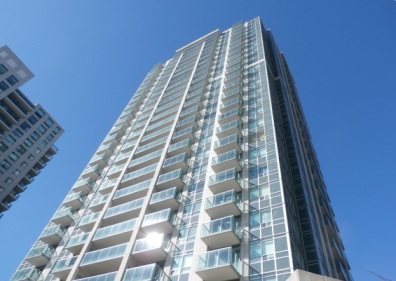

Thornhill, Ontario has become one of York Region’s most established condominium hubs, and commissioning a timely Reserve Fund Study is now essential for every board. Within Thornhill proper there are four registered condominium corporations, all of which are residential, giving condominiums a 100 per cent share of the condo inventory and about 44 per cent of all local real-estate transactions. A professionally prepared Reserve Fund Study helps owners in these buildings plan capital repairs, stabilize fees, and satisfy Ontario’s Condominium Act requirements.
The building stock is mature: three of the four sites are high-rise towers (13 to 15 storeys) while one is a three-storey low-rise. All four operate as York Region Condominium Corporations (YRCC), with no Common-Element or Vacant-Land filings inside Thornhill’s boundaries. The first Thornhill condo was registered in 1975, marking the start of vertical living in the historic village core; the most recent high-rise followed in 1984, and a single pre-construction tower is queued for occupancy later this decade.
Amenity packages are generous for buildings of this vintage. Typical Reserve Fund Study schedules must account for indoor pools, saunas, fitness rooms, tennis courts, underground garages, security systems and extensive landscaped grounds. Because Thornhill straddles both Markham and Vaughan sides of Yonge Street, most residential condominiums cluster along Yonge between Centre Street and Clark Avenue, with additional low-rise sites on nearby Elgin Street—locations that combine urban convenience with neighbourhood charm.
Looking ahead, York Region’s intensification policies anticipate measured infill rather than blockbuster projects: the lone approved pre-construction tower and several townhouse-style common-element communities will lift the condo count modestly over the next ten years, but detached and semi-detached homes will still dominate land use outside the Yonge corridor. Even so, Reserve Fund Study professionals expect Thornhill’s condominium market to remain resilient as aging towers modernize their common elements and new buyers seek lower-maintenance housing options in this well-serviced pocket of the GTA.